Mail Us
Low water pressure in your home can happen for several reasons. One of the most common causes is a clogged pipe. Over time, minerals and debris can build up inside the pipes, making it harder for water to flow freely. This happens a lot in older homes or areas with hard water. If the pipes are blocked, water will have a hard time reaching your faucets and showers. A plumber can inspect and clean out these pipes to restore water flow.

Another common reason for low water pressure is a faulty pressure regulator. Pressure regulators control the flow of water to your home. If it’s broken or malfunctioning, it can lead to either too much or too little water pressure. At Rapid Pro Services, we specialize in diagnosing and repairing pressure regulators to restore your home’s water flow. Sometimes, low water pressure can also be caused by leaking pipes. Even small leaks can slow down the water flow in your home. If you notice damp spots or water stains on your walls, Rapid Pro Services can quickly locate and fix the leak to ensure your plumbing is working properly.
How a Plumber Diagnoses Low Water Pressure
When a plumber arrives to diagnose low water pressure, they’ll first check whether the problem is affecting just one faucet or your entire home. If only one faucet has low water pressure, it could be a clogged faucet aerator or a blockage in the pipe leading to it. A simple cleaning or replacement of the aerator might be all that’s needed. However, if multiple faucets have low pressure, the issue is likely in your home’s plumbing system.
To diagnose the issue, a plumber will often use a water pressure test to measure the pressure in your pipes. They will also check your main water valve to ensure it is fully open. Sometimes, the issue might be related to the municipal water supply, meaning the water pressure in your area could be low. If that’s the case, the plumber might recommend installing a water pressure booster to increase the flow to your home.
How to Fix Low Water Pressure in the Shower
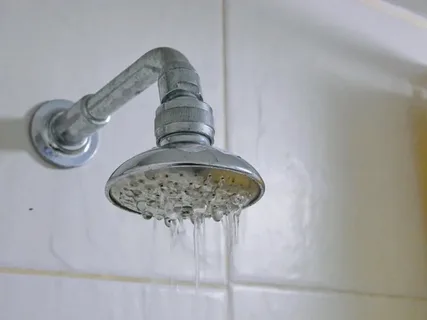
A common complaint many homeowners have is low water pressure in the shower. If the water comes out weak or trickles, it can be frustrating, especially if you’re used to a powerful stream. The first thing a plumber will do is check for clogged showerheads. Over time, mineral buildup from hard water can block the tiny holes in the showerhead. The plumber may clean it or replace it if necessary.
Contac Us: 407-489-1867
Another reason for low water pressure in the shower could be pipe corrosion or a pressure regulator issue. If the pipes are old, rust and corrosion can cause them to narrow, restricting water flow. A plumber may need to replace the damaged pipes to fix the issue. In some cases, installing a pressure regulator can help balance the water flow and ensure a better shower experience.
How to Increase Water Pressure in the Kitchen
Low water pressure in the kitchen can make everyday tasks like washing dishes or filling pots take longer. One of the first things to check is the kitchen faucet itself. Often, a clogged aerator is the cause of weak water flow. A plumber can remove the aerator, clean it, and reinstall it to restore proper pressure. If this doesn’t solve the problem, the plumber will check for leaks in the pipes under the sink or other areas that could be causing the drop in water pressure.

Another way to increase water pressure in the kitchen is by adjusting the main water valve. If it’s not fully open, it can limit the flow of water throughout your home. A plumber can also install a pressure booster to increase water pressure if it’s too low coming from the main water supply. Sometimes, issues with the local water system might be the cause, and a plumber can help you work with your water utility to fix the problem.
How to Fix Water Pressure Problems in the Whole House
If low water pressure is affecting your entire home, the problem could be more serious. One possible cause is pipe leaks. Even small leaks can cause a decrease in water pressure. A plumber will inspect the plumbing system for any signs of leaks and repair them quickly. Another reason for low pressure could be blockages in the pipes, which occur when debris or mineral buildup creates clogs. The plumber will use special tools to clear out the pipes and restore normal water flow.
If the issue is not with the pipes, the plumber may check the water pressure regulator. This device controls how much water flows into your home. If it’s broken or set incorrectly, it can cause low water pressure. A plumber can adjust or replace the regulator to ensure proper water flow. If your home is located in an area with consistently low water pressure, a plumber may recommend installing a whole-house pressure booster system.
Why You Should Call a Professional Plumber
Sometimes, fixing low water pressure issues is not a simple DIY project. While some minor issues, like cleaning a clogged faucet, can be handled easily, more complex problems require professional help. A plumber has the tools and expertise to properly diagnose the cause of low water pressure, whether it’s due to clogged pipes, a broken regulator, or leaking pipes. They can fix the issue safely and quickly, preventing further damage to your plumbing system.
Additionally, plumbers have experience with water flow problems that might be difficult for homeowners to identify on their own. For example, some issues with low water pressure can be caused by municipal water supply problems that are out of your control. A plumber can help you determine if the problem is on your end or if it’s something you need to address with the local water company.
Conclusion
Low water pressure can be more than just a minor inconvenience. It can make everyday tasks more difficult and even cause damage to your plumbing system if not addressed. By understanding the causes of low water pressure and knowing when to call a plumber, you can keep your home’s plumbing system running smoothly. Whether it’s a simple fix, like cleaning a faucet, or a more complex problem, like repairing pipes or installing a pressure booster, a professional plumber can help restore your water pressure and get things back to normal.
FAQs
1. What causes low water pressure in the shower?
Low water pressure in the shower is often caused by mineral buildup in the showerhead, clogged pipes, or issues with the pressure regulator. Hard water can cause minerals like calcium and magnesium to accumulate, blocking the tiny holes in the showerhead. If cleaning the showerhead doesn’t improve the pressure, the issue might be in the pipes or the home’s pressure regulator, which a plumber can inspect and repair.
2. How can I fix low water pressure in the kitchen?
To fix low water pressure in the kitchen, first check the faucet for a clogged aerator. Remove it, clean it, and reinstall it. If that doesn’t solve the issue, the problem could be a leak in the plumbing under the sink or corroded pipes. A plumber can check for leaks, clean the pipes, or even replace any damaged sections of piping. In some cases, a pressure booster may be needed to increase water flow to the kitchen.
3. Can low water pressure be caused by the water company?
Yes, low water pressure can sometimes be caused by problems with the municipal water supply. If multiple homes in your neighborhood are experiencing the same issue, it could be a local problem. A plumber can help determine if this is the case, and they might recommend installing a water pressure booster system to compensate for the low pressure coming from the water utility.
4. What is a water pressure booster, and do I need one?
A water pressure booster is a device installed in your plumbing system to increase water flow throughout your home. If the water pressure is consistently low, even after fixing local plumbing issues, a booster can help raise the pressure to a normal level. It’s especially useful in areas where the municipal water supply is not able to provide sufficient pressure, or if your home has old, corroded pipes that restrict water flow.
5. How can I tell if my pipes are causing low water pressure?
If low water pressure is affecting your entire home, there may be a blockage or leak in the pipes. Signs of a blockage include slow water flow in all faucets and a decrease in pressure over time. Leaking pipes can often cause noticeable dampness on walls or floors. A plumber will conduct a water pressure test and inspect your plumbing system to identify any hidden leaks or blockages.
6. Can I fix low water pressure myself?
Some minor issues like cleaning a clogged aerator or faucet might be something you can handle on your own. However, for more complex problems like pipe leaks, clogged main water lines, or faulty pressure regulators, it’s best to call a professional plumber. Trying to fix these problems without the proper knowledge and tools could lead to bigger issues or further damage to your plumbing.
7. Why does water pressure suddenly drop in my home?
A sudden drop in water pressure could be due to a broken pipe, clogged pipe, or problem with the pressure regulator. It may also be caused by external factors like construction or maintenance work done by the local water company. If you notice an immediate decrease in pressure, it’s best to contact a plumber to diagnose and fix the problem as quickly as possible.
8. How do I know if my pressure regulator is faulty?
A faulty pressure regulator can cause low water pressure or fluctuating pressure in your home. If your water pressure is unusually low or if certain fixtures experience strong pressure while others have weak flow, the regulator may be the issue. A plumber can inspect and either adjust or replace the regulator to restore proper pressure levels throughout your home.
9. Can hard water cause low water pressure?
Yes, hard water is a common cause of low water pressure. Over time, the minerals in hard water, such as calcium and magnesium, can build up in your pipes and fixtures, creating blockages that reduce water flow. If you have hard water in your area, regular maintenance like descaling your pipes or using a water softener can help prevent pressure issues.
10. How can I prevent low water pressure from happening again?
To prevent future low water pressure issues, regular plumbing maintenance is key. Have a plumber inspect your pipes and plumbing system periodically to check for leaks, corrosion, or mineral buildup. Installing a water softener if you have hard water and using high-quality plumbing materials can also help reduce the likelihood of pressure problems. Additionally, always make sure your main water valve is fully open.