Mail Us
Ever tried fixing a dripping faucet at midnight? That’s usually the moment most of us realize how important plumbing really is. A home’s plumbing system is more than just pipes it’s a hidden network that brings in clean water, carries away waste, and keeps daily life running without a second thought.
The problem? Many homeowners only notice plumbing when it fails. By understanding the basics, you can prevent small issues from turning into big, expensive headaches.
How Plumbing Actually Works
At its core, plumbing has two big jobs: supply water and get rid of it once you’re done. Sounds simple, but there’s a lot going on behind the walls.
Water Supply
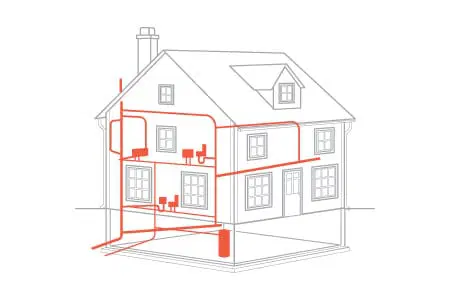
Clean water enters your home through the main supply line. It’s pushed in under pressure so that when you turn the tap, water flows instantly. These supply pipes are often:
- Copper (long-lasting but pricey)
- PEX (flexible and great for renovations)
- Older galvanized steel in homes built decades ago
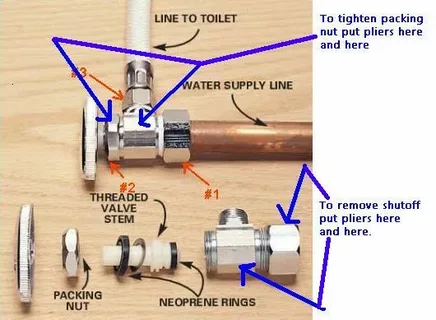
Each fixture—sink, toilet, or shower—has a shut-off valve. That means if one part needs fixing, you don’t have to turn off water for the entire house.
Drainage
Once water is used, it needs to leave. Gravity does the heavy lifting here. Drain pipes slope downward so wastewater flows smoothly out of your home. Most modern houses use PVC or ABS for drains, while older systems may still rely on cast iron.
Vents
Ever wondered why your bathroom doesn’t smell like a sewer? Thank the vent pipes. They let air into the system, preventing suction that could empty traps and let odors in. Without vents, you’d face gurgling drains, slow flushes, and nasty smells.
Choosing the Right Plumbing Materials
Not all pipes are created equal. Here’s what homeowners usually deal with:
- Copper: Strong and durable. Expensive, but it lasts decades.
- PEX: Flexible and affordable. Perfect for tight spaces or retrofitting.
- PVC: Lightweight, easy to cut, and ideal for drain lines.
- ABS: Similar to PVC, but better for cold climates.
- Cast Iron: Common in older homes. Heavy-duty but prone to rust over time.
If you’re upgrading, plumbers often recommend PEX for supply lines and PVC for drainage.
Smart Installation Practices
Good plumbing isn’t just about good materials—it’s about installing them the right way. Here’s what professionals swear by:
- Right Slope: Drain pipes should slope about ¼ inch per foot. Too steep and solids stay behind, too flat and water stalls.
- Strong Support: Pipes should be anchored with brackets to avoid rattling or sagging.
- Cleanouts: Built-in access points make unclogging much easier down the line.
- Insulation: Hot water lines need insulation to save energy, and cold water pipes should be protected in winter to avoid freezing.
- Efficient Layout: Bathrooms and kitchens placed near each other save pipe runs—and money.
Common Plumbing Problems (and Simple Fixes)
Even with the best system, problems show up. Here’s what most homeowners face:
- Leaks: That small drip can waste gallons. Check under sinks regularly.
- Low Water Pressure: Usually caused by mineral buildup or small leaks. Sometimes just cleaning an aerator fixes it.
- Clogs: Kitchen sinks and toilets are the main culprits. Try a plunger or drain snake before reaching for harsh chemicals.
- Noisy Pipes: If your pipes bang or rattle, it’s often poor anchoring or “water hammer.” Installing arrestors usually solves it.
- Sewer Smells: Typically from a dry trap or poor venting. Run water through unused drains now and then.
Simple Maintenance Tips
Plumbing care isn’t rocket science. A few small habits go a long way:
- Inspect visible pipes twice a year.
- Clean faucet aerators and showerheads to keep pressure strong.
- Pour hot water (or a baking soda + vinegar mix) down drains monthly.
- Flush your water heater yearly to remove sediment.
- Keep a record of plumbing fixes—it helps during resale or renovations.
When to Call a Plumber
DIY fixes are fine for small leaks or slow drains, but call in a professional when:
- You’ve got repeated clogs or backups
- A pipe bursts or freezes
- There’s water damage inside walls or ceilings
- You’re installing new appliances or remodeling bathrooms
- Gas or sewer lines are involved (never DIY those!)
A good plumber doesn’t just repair problems—they make sure your system is safe and up to code.
Conclusion
Your plumbing system is like the silent worker of your home—it rarely gets credit, but you notice instantly when it fails. With the right knowledge, you can keep it running smoothly, prevent costly surprises, and know exactly when to call in the pros.
FAQs
How often should I check my plumbing?
Twice a year is ideal look for leaks, drips, or rust.
Which is better: copper or PEX?
PEX is easier and cheaper to install, while copper lasts longer and resists UV light.
What’s the safest way to unclog a drain?
Start with a plunger or drain snake. Chemicals should be a last resort.
How can I avoid frozen pipes?
Wrap exposed pipes with insulation and let faucets drip slightly in extreme cold.
When should I replace a water heater?
Most last 8–12 years. If yours is leaking, making noises, or not heating properly, it’s time.